Aging Successfully
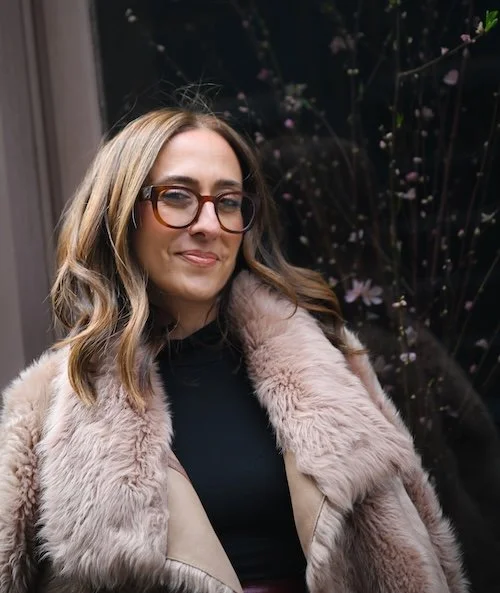
Recently, my daughter asked to interview me for one of her psychology classes. I happily agreed, because as a mom of young adults and teenagers, it’s not often that they want to hear what I have to say!
When we sat down, I realized I hadn’t asked her what the topic would be. She said it would be questions about my life, upbringing, and aging. Clearly, she didn’t realize how young I am to be asking me about aging (LOL!), but I went with it anyway.
After going through a slew of questions about my lifestyle as a child, young adult, and my current habits, she came to one of the last questions and asked: “What does aging successfully mean to you?”
I was instantly impressed. No one ever talks about aging as a success. We use words like gracefully, youthfully, pain-free—usually in an effort to dodge aging, deny it, or ignore it altogether. This was the first time I had considered that aging might be something we could actually be successful at. And if we could consider to age successfully, then what would it actually take to do that?
So I sat with it. And as I responded, four things rose to the top of my mind. Not as goals I’m working toward, but as truths I have lived and continuously live my way into.
Simplicity
Life doesn’t need added complications. Ask anyone in their 40s or 50s, and they will quickly agree that life naturally gets complex over the years. Our responsibilities seamlessly compound as we strive to care for and nurture our lives and relationships. And the sheer volume of options we face daily can easily make even the simplest days feel heavy.
At this point in my life, I’ve experienced enough complications. I will always look to simplify whatever and whenever I can. Not because I’m giving up or slowing down, but because I’ve learned that complexity is often just noise dressed up as importance. The clearer my environment, my schedule, and my commitments, the clearer my thinking. And the clearer my thinking, the better I show up for myself and for the people I love.
Simplicity isn’t about less. It’s about making space for what actually matters.
Relationships
It’s undeniable that we are more connected than ever—everything and everyone is instantly available to us in ways that they never were before. But more often than not, that connectedness is illusory. A like, a comment, a text thread is not the same as sitting across from someone who wants to know you.
As humans, we need and thrive with human connection. And the older I get, the less patience I have for relationships that are surface-level, performative, or one-sided. My choice is always a small group of intimate relationships—people who genuinely show up for each other, with love and presence.
Aging successfully for me includes investing deeply in relationships that are mutually fulfilling and gracefully releasing the ones that aren’t.
Time Freedom
I used to think busyness was a symbol of success and a badge of honor proudly worn and loudly flaunted by those doing important things in life.
I have fallen victim to this productivity trap many times in my life. What I’ve now come to understand is that a full calendar and a meaningful calendar are very different things.
Mark Manson said it best: “Being busy is not being able to add anything else to your calendar. Being fulfilled is not wanting to add anything to your calendar.”
This distinction changed the way I think about and value my time. I aspire to fill my days with things I’d choose over and over again. And I’ve learned to reduce obligations and commitments made out of guilt, comfort, or habit.
I want a meaningful calendar, not just a busy one.
Nature
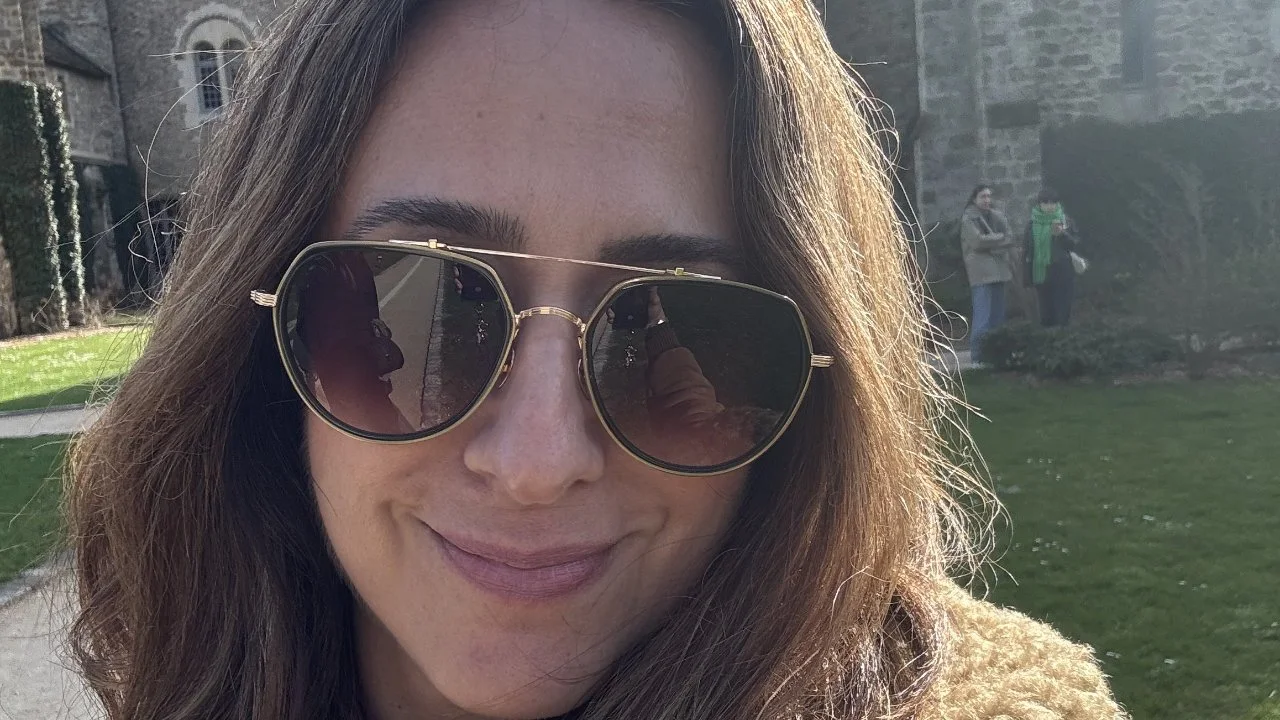
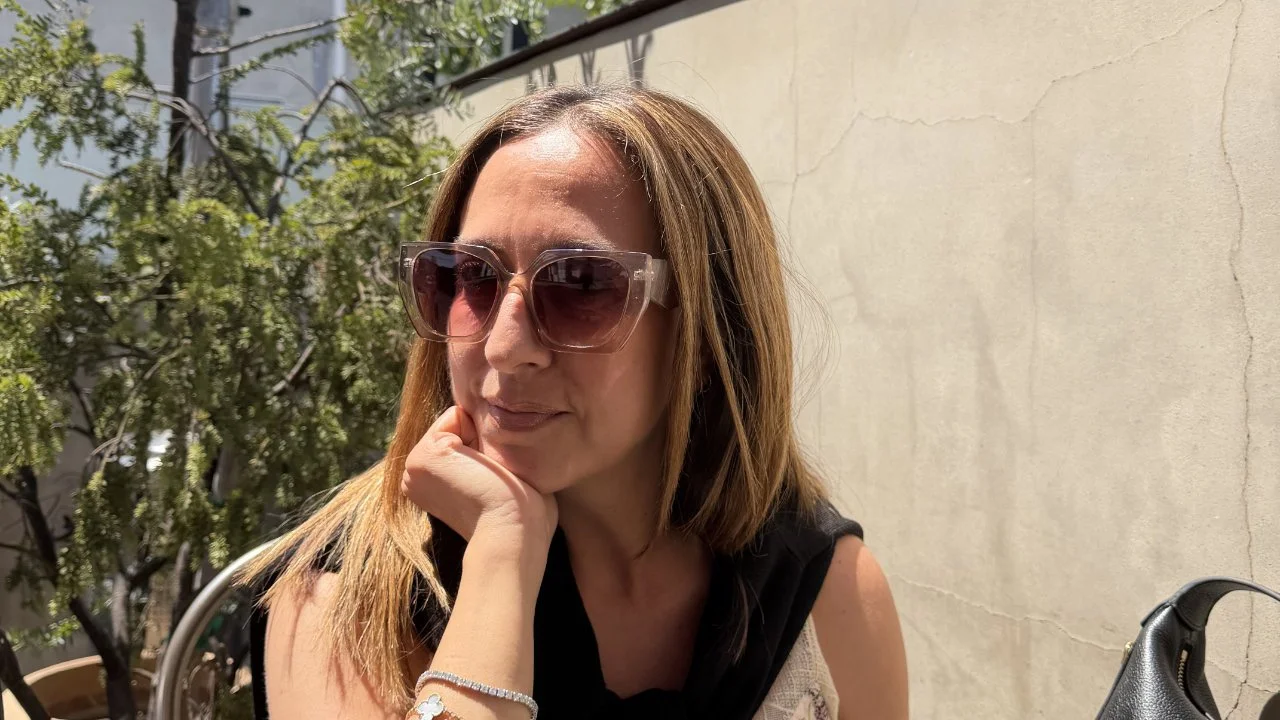
I simply need sunshine on my skin. Grass beneath my feet. Trees, flowers, sand, ocean waves, and mountains. These things fill my soul and restore my body in a way that very little else does.
There is something about being in nature that resets everything for me. It quiets the noise around me, grounds my nervous system, and reminds me of a higher power that fashioned this world with such beautiful and magnificent creations.
Spending time in nature reminds me that most of what I worry about is very small in the grand scheme of things. It brings me back to a space of clarity.
I don’t think this is accidental. I think our physical bodies and emotional selves can feel the beauty and impact of nature, and accordingly, feel its absence whether we are aware of it or not.
For me, nature is not a luxury or weekend activity. It’s a daily non-negotiable, whether it’s standing in the morning sunlight on my balcony for 5 minutes or making time for a walk, hike, or beach day. The more intentional I am about getting outside, the better everything else works.
When I finished answering my daughter’s question, I noticed something. Contrary to popular belief, doing aging right has nothing to do with our physical appearance. Everything I’d named was an experience, not a thing, not an achievement, not a status. None of it could be bought, posted, or performed. All of it had to be lived.
And that’s when I clearly understood what aging successfully really means to me: it’s the ongoing process of stripping away everything that doesn’t add value and meaning to life, and doubling down on everything that does.
The tricky part is that the things we strip away—the busyness, the noise, the performative relationships, the accumulation of stuff—they look and feel great in the moment and when we are consuming them. They’re sexy, seductive, and comforting. And that’s what makes them so hard to let go of.
But in the end, they’re really just “fluff”—distractions from what’s meaningful and fulfilling. And the older I get, the less interested I am in fluff.
I would love to hear your ideas of aging successfully—share them with me if you like. And more importantly, are you already living them?
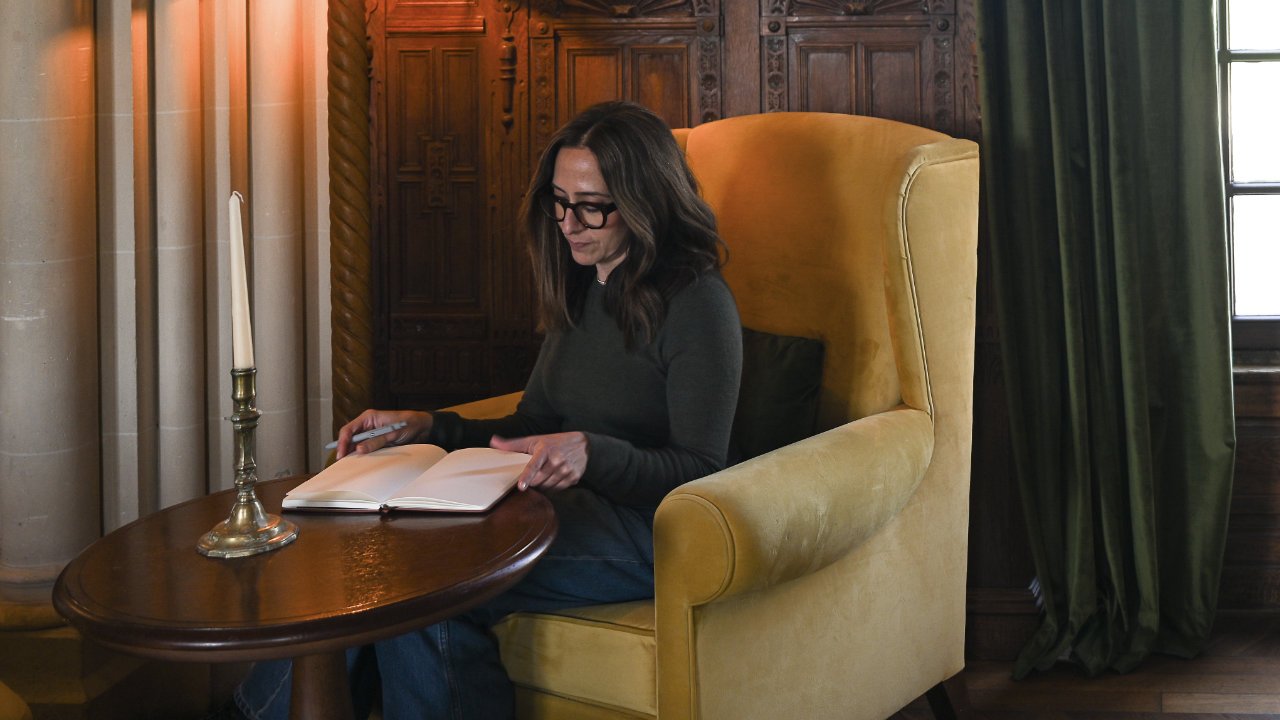
Photo credit: D. Bana Photography